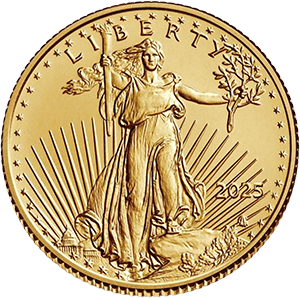
Pre-1933 gold coins hold a mystique few other pieces of American history can match. They sit at the intersection of numismatics, economic policy, and American finance, representing a time when everyday currency included real gold—and a moment when the U.S. government changed the trajectory of money forever.
Today, these coins are coveted by collectors and investors alike. They are tangible artifacts of America’s gold-backed past, known for their beauty, scarcity, and impressive long-term performance. But they also carry some of the strictest IRS limitations, meaning they cannot be included in a Precious Metals IRA.
This guide breaks down everything your readers need to know.
Why 1933? The Year That Changed American Money Forever
To understand Pre-1933 gold, you must understand the context of The Great Depression.
By early 1933, the American banking system was in crisis. Bank runs were accelerating, people were pulling gold from the system, and confidence in paper money was evaporating. President Franklin D. Roosevelt, just days after taking office, issued Executive Order 6102—a mandate requiring U.S. citizens to turn in most of their privately held gold coins, bullion, and gold certificates to Federal Reserve banks.
The rationale was simple:
-
Stop deflation
-
Stabilize the banking system
-
Rebuild the Treasury’s gold reserves
-
Remove gold competition from the dollar
Overnight, millions of circulating gold coins were pulled from commerce and melted down into bars for government storage.
This is why 1933 is the dividing line:
It marks the moment when the United States ended the everyday use of gold as money, reshaping the monetary system into one that relied on fiat currency backed by the full faith and credit of the government—not by precious metal.
What Happened to All the Gold Coins? The Great Melt
Before 1933, the U.S. Mint struck several iconic gold coin series, including:
-
$2.50 Quarter Eagles
-
$5 Half Eagles
-
$10 Eagles
-
$20 Double Eagles (like the famous Saint-Gaudens)
These coins were not collectibles—they were circulating money.
When the government required Americans to surrender gold, tens of millions of these coins were gathered up and melted into 400-ounce bars. The melt destroyed an enormous percentage of America’s historical gold supply.
The outcome:
-
Some dates became extremely rare overnight
-
Surviving coins stayed in private hands (often quietly)
-
Today’s market supply is a tiny fraction of original mintage
This destruction is a key reason Pre-1933 gold carries such extraordinary scarcity premiums.
Why Pre-1933 Gold Coins Cannot Be Placed in a Precious Metals IRA
This is the section your advisors need crystal clear.
The IRS has strict rules about what can be held inside a self-directed IRA. According to IRS code, the only gold eligible for IRA investment must meet the following standards:
-
99.5% purity (0.995 fineness) for bullion coins and bars
-
Produced by an approved refiner or mint
-
Not considered a collectible under IRS definitions
Pre-1933 U.S. gold coins fail on two of these requirements:
1. They do NOT meet modern purity standards
Pre-1933 gold coins are 90% gold and 10% copper, designed for durability in circulation.
This makes them historically significant—but not IRA-eligible because they fall below the 0.995 purity threshold.
2. They ARE classified as collectibles
Under IRS rules, numismatic coins—especially historic, low-mintage coins—are explicitly prohibited inside IRAs.
The IRS wants IRAs to hold metals for their bullion value, not for rarity-based premiums.
So even though these coins contain real gold and carry strong long-term performance, they cannot legally be placed inside a Gold IRA.
Your advisors can use this explanation when educating clients who ask why Saint-Gaudens or Liberty Heads cannot be rolled into a retirement account.
What Makes Pre-1933 Gold So Rare (and Valuable)?
Pre-1933 gold stands out from modern bullion in several important ways:
1. Most of It Was Destroyed
The government melt of 1933 wiped out a massive portion of the circulating gold coinage supply.
For many dates, survival rates are well below 1%, making certain coins incredibly scarce.
2. They Are Genuine Pieces of American History
Owning a Pre-1933 gold coin means holding something minted and used during:
-
The California Gold Rush era
-
The rise of American banking
-
The expansion of Western markets
-
Early 20th-century commerce
They are artifacts, not just investments.
3. Strong Long-Term Appreciation
Because they behave like rare, finite collectibles—not just metal—Pre-1933 coins often outperform bullion during:
-
Collectors’ booms
-
Periods of scarcity
-
Times when gold demand spikes
They carry a numismatic premium that tends to grow with time.
4. Limited, Non-Reproducible Supply
Modern bullion can always be minted in larger quantities.
Pre-1933 gold, however, exists in a fixed—and shrinking—population. Once a coin is damaged, lost, or melted, it is gone forever.
This is why investors who want exposure to growth potential (rather than purely metal value) often choose Pre-1933 numismatics.
Why Investors Still Love Pre-1933 Gold (Even Outside of IRAs)
While not IRA-eligible, Pre-1933 gold holds a strong place in diversified wealth strategies.
Investors value these coins because they offer:
-
Privacy (many transactions remain off 1099-B reporting)
-
Portability
-
High rarity-driven appreciation potential
-
Protection from government reminting or dilution
-
Historic prestige
For many investors, Pre-1933 gold is the perfect complement to bullion holdings—allowing them to capture both stability (via modern bullion) and growth (via rare coins).
Final Thoughts: The Enduring Appeal of Pre-1933 Gold
Pre-1933 gold coins are far more than metal. They are artifacts from a vanished monetary era, survivors of one of the most dramatic economic policy shifts in American history. Their rarity, beauty, and historical significance make them perennial favorites among collectors and long-term wealth builders.
But because they are collectibles with lower purity, they cannot be included in IRAs—a crucial compliance detail your advisors must communicate clearly.
For clients who want both wealth protection and long-term growth potential, Pre-1933 gold often plays a strategic role in a well-constructed portfolio—especially when paired with bullion and key-date numismatics.