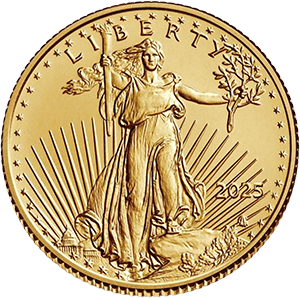
Buying gold becomes a serious question when prices keep breaking records and uncertainty keeps building. You need to know if gold is still worth buying now, or if you should wait for a dip.
Gold is in a rare position right now. Prices are rising in ways that do not match older patterns. Central banks are buying more than they have in over 50 years. Supply is tight. Geopolitical tension keeps growing. Inflation expectations are still unsettled. This creates a strong case for buying gold now rather than waiting.
We have covered 10 data-backed reasons that support that choice. Check them out before buying gold.
Is Now a Good Time to Buy Gold?
Yes. Current conditions support buying gold now. Central banks continue heavy accumulation, supply remains tight, and global uncertainty is high. These trends push demand higher even when interest rates or the stock market do not move in the expected direction. This is why analysts from Goldman Sachs and UBS project higher gold prices through 2025 and 2026.
It is a good time to buy gold now if you want long-term protection, diversification, or a hedge against political and economic instability.
1. Central Banks Are Buying More Gold Than Any Time in 55 Years
Central banks shape gold demand more than any other buyer. They have been adding gold at the fastest pace since the late 1960s.
Key data you can trust:
- The World Gold Council reported that central banks purchased more than 1,000 tonnes in both 2022 and 2023, the strongest two-year span in over half a century.
- The IMF confirms ongoing increases in official reserves into 2024 and 2025.
BRICS countries responded by increasing gold holdings to build long-term monetary stability. This shift creates durable demand because central banks do not buy gold for short cycles. They buy it to reshape their financial systems for decades.
This trend is not slowing. Analysts expect continued buying from China, India, Turkey, Singapore, and several Middle Eastern economies. Central banks buy gold for one reason: stability. They use it to lower their exposure to the US dollar and to protect reserves during global tension.
Why this matters for you:
You are buying alongside the most informed financial institutions in the world. When they buy aggressively, it signals long-term demand strength.
2. Gold Is Decoupling From Interest Rates and the Dollar
Older models said gold rises when real interest rates fall, and the dollar weakens. This logic broke during the 2020s. Gold kept rising even when rates were high, and the dollar was strong. In 2023 and 2024, gold gained more than 20 percent while real yields stayed positive.
This matters because it shows that gold no longer tracks the old rate cycle. Analysts have adjusted their models to reflect this shift. They now warn that trying to time gold based on rate cuts or rate hikes can lead to missed opportunities. Gold is reacting to a wider set of risks, and uncertainty is the biggest driver.
Gold is now responding more to uncertainty than to traditional rate cycles. This means gold can keep rising even if interest rates stay elevated or if the stock market remains strong.
For everyday investors:
Old timing strategies are less reliable. You do not need falling rates or a weak dollar to support gold prices. The new pattern makes buying now more reasonable than waiting.
3. Geopolitical Pressure Will Likely Stay High Through
The world remains tense, and governments are less predictable. These pressures raise demand for safe assets.
Reliable sources confirm this:
- Northeastern University analysis on gold hitting $4,000 due to rising global uncertainty
- Council on Foreign Relations tracking of global tension points
- Reuters coverage on trade policy uncertainty and currency volatility
Current pressure points include ongoing trade and currency conflict between the United States and China, rising instability across parts of the Middle East, and new shifts in Europe’s security environment. You also have changing tariff policies that affect global supply chains, along with stronger BRICS coordination around non-dollar reserves.
Gold rises when uncertainty rises. There is no sign of stability returning soon. Historical gold cycles show that long periods of geopolitical tension often produce the strongest and most consistent price gains, which makes this environment supportive for new buyers.
4. Gold Supply Growth Is Slowing While Demand Keeps Climbing
Gold supply is harder to expand now than in past decades. Large, high-grade deposits are rare, and mining costs keep rising.
Reliable supply data:
- The U.S. Geological Survey reports flattening global mine output
- The World Gold Council shows only slow year-over-year production growth across major mining regions
- LBMA confirms tightening supplies and rising refinery demand
At the same time, global demand for gold essentially doubled from 2013 to 2023, and ETF inflows returned in 2024 after several quiet years. Consumer demand in India and China also remains strong, creating steady buying pressure across the two largest retail gold markets in the world. Mining analysts also point out that new gold mines take 10-15 years to reach full production, which means supply is unlikely to grow enough to meet demand within this decade. Here is a simple breakdown.
Global Gold Balance Overview
| Factor | Trends | Sounds |
| Mine Production | Flat to slow growth | WGC, USGS |
| Central Bank Demand | Highest in 55+ years | WGC |
| Investment Demand | Rising since late 2023 | Reuters |
| Jewelry Demand | Strong in India & China | LBMA |
| Recycled Supply | Volatile | WGC |
What this means for you:
Supply pressure meets rising demand. Tight markets push prices higher.
5. Gold Performs Well After Breaking New Highs
You might worry about buying at a high price. The data tells a different story. Gold tends to keep rising after it sets new records, especially during long periods of uncertainty.
This pattern is supported by long-term historical analysis from Bloomberg, the World Gold Council, and the St. Louis Federal Reserve FRED database. One clear example is the 2008 to 2011 cycle. Gold broke a new high at roughly $1,000 an ounce and then climbed more than 90 percent over the next three years. Another example is the 2019 to 2023 cycle. Gold reached a record high in 2020 and then continued to push upward through 2023 and 2024. These patterns show that new highs often mark the start of extended bullish periods rather than the top.
Gold often hits a series of new highs in cycles that last multiple years. This happened in the 1970s, 2000s, and 2020s so far.
If you worry about timing:
Buying at a high is not the risk people imagine when the long-term trend is upward.
6. Protects Against Currency Debasement
Currencies lose value over time when governments expand the money supply or run persistent deficits. You see this in the U.S., Europe, and many emerging economies. When a currency weakens, the real value of cash savings drops.
Gold does not follow that pattern. It holds purchasing power across long cycles and often rises when people expect more money creation. Analysts from the World Gold Council, Bank of America, and the BIS all show that gold tends to outperform during multi-year periods of currency dilution.
Why this matters for you:
If you want to protect long-term savings from the slow erosion of currency value, gold gives you an asset that moves differently from cash and bonds.
7. A Hedge Against Geopolitical Tensions
Gold demand rises during wars, sanctions, political transitions, and global uncertainty. These events disrupt trade, raise risks for investors, and weaken trust in national currencies.
These conditions push investors and central banks toward stable reserve assets.
Why this matters for you:
Geopolitical pressure looks set to continue. Gold tends to benefit from this environment more than stocks or bonds.
8. Portfolio Diversification
Gold behaves differently from equities, bonds, and real estate. During market stress, it often moves independently or in the opposite direction of risk assets.
Major studies from the World Gold Council and BlackRock show:
- Gold lowers overall portfolio volatility
- Gold improves long-term risk-adjusted returns
- Gold provides downside protection during large equity drawdowns
The effect does not require large allocations. Even a small gold position adds stability.
Why this matters for you:
If you want a more balanced and resilient portfolio, gold helps you spread risk across assets that do not rely on the same economic conditions.
9. Gold Investment Demand is High
Investment demand is rising again after a quiet stretch from 2021–2023. You now see stronger buying across multiple channels.
Key trends include:
- ETF inflows returning in 2024
- Higher bar and coin demand in the U.S., India, and parts of Europe
- Renewed interest from institutional investors
- More retail interest as gold breaks new highs
Demand like this often supports continued price strength, especially when supply growth is slow.
Why this matters for you:
You are entering a market with real momentum, not hype. Investment flows show that buyers across the world still want exposure to gold.
10. High Liquidity and Easy Access
Physical gold is one of the most liquid assets in the market. You can sell it through dealers, refiners, vaulting services, and global exchanges. Pricing is transparent, and spreads remain competitive for common bullion products.
Modern options also make buying simpler:
- Online dealers
- IRA-eligible products
- Vaulted storage programs
- Small fractional coins and bars
This mix gives you flexibility, whether you want to buy a single coin or build a long-term position.
Why this matters for you:
You can enter and exit gold positions easily. You are not locked into long holding periods unless you choose to be.
Should You Buy Gold Now or Wait?
Here is a simple timing framework that fits today’s conditions.
| If this sounds like you | The better move |
| You want long-term protection | Buy now |
| You want stable diversification | Buy now |
| You expect global uncertainty | Buy now |
| You want a hedge against inflation or currency swings | Buy now |
| You prefer steady accumulation instead of timing | Buy now |
| You expect a short-term pullback | Consider waiting |
| You want to time an entry for trading | Consider waiting |
| You plan to buy a large amount and want lower premiums | Consider waiting |
Historical pullback data to guide you:
Gold pullbacks after record highs often fall into the 5 to 12 percent range before resuming upward trends.
A simple approach:
If the price feels too high, split your purchase over several weeks or months. Dollar-cost averaging lowers timing risk.
4 Common Myths About Buying Gold
Many people hesitate to buy gold because they hear the same claims repeated online. Most of these ideas come from older market conditions that no longer match how gold behaves today. Clearing up a few quick myths makes the current trend easier to understand.
Myth 1: “Gold only rises when inflation rises.”
Gold has hit new highs even during periods of cooling inflation. Uncertainty and central bank buying carry more weight today.
Myth 2: “Gold is too expensive right now.”
History shows that new highs often lead to more gains, not reversals. High prices do not mean the run is over.
Myth 3: “I should wait for rate cuts first.”
Gold no longer moves in a simple pattern with interest rates. It climbed during years of high real yields, so waiting for cuts does not guarantee a better entry.
Myth 4: “Gold only works when stocks fall.”
Gold can rise during strong equity markets. It fills a different role in a portfolio and is not tied to stock performance.
Final Thoughts
Gold keeps moving in a direction that supports long-term buyers. Central banks are still adding to their reserves, supply growth is slow, and uncertainty remains high across major economies. These forces work together and create steady demand even when the broader market feels unpredictable. If you want stability, diversification, or a way to protect your portfolio during uneven cycles, buying gold now fits that goal.
If you want help choosing products or building a position that matches your budget, you can speak with an AmericanStandardGold specialist today. We walk you through current pricing, premium trends, and the safest ways to buy physical gold without pressure.