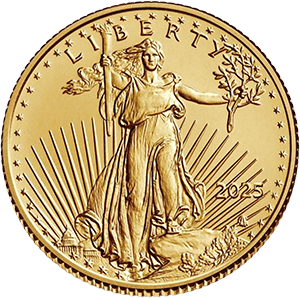
Collecting gold coins for beginners is easier than it looks once you know where to start. In this guide, you’ll learn how to choose your first gold coins, understand what makes them valuable, and build a collection that’s both enjoyable and rewarding. From setting a budget to spotting real coins versus replicas, we’ll walk through everything you need to know before buying your first piece of gold.

Gold coin collecting isn’t just a hobby; it’s a timeless way to connect with history while owning a tangible store of value. Whether your goal is to preserve wealth or appreciate craftsmanship, each coin you add tells a story that can last for generations.


Set Your Foundation as a Beginner Collector with These Steps

Every great collection starts with clarity, like knowing your goals, your limits, and what excites you about it. Collecting gold coins becomes much more enjoyable (and sustainable) when you set a direction early, instead of buying at random.

1. Define Your Budget and Goals

You don’t need a fortune to begin collecting gold coins. Many first-time collectors start with fractional pieces (1/10 oz or 1/4 oz coins) that cost far less than full-ounce versions but still carry the same design and purity.

Think about why you’re collecting.

  • If your goal is enjoyment, set a flexible monthly amount you can spend without pressure.

  • If your goal is long-term value, plan to allocate a consistent percentage of savings (even 5–10%) toward coins each year.

  • Keep in mind: value in coin collecting compounds over time through knowledge and patience, not just dollars invested.

A simple budget example:

Collector Type

Monthly Budget Range (USD)

Example First Purchase

Casual hobbyist

100–300

1/10 oz Gold Eagle or Maple Leaf

Enthusiast

400–800

1/4 oz Philharmonic or Krugerrand

Long-term investor

1,000+

1 oz American Eagle or historical Sovereign

Most AGS clients begin small, acquiring one or two coins a year, and gradually scale up as their confidence and understanding grow.


2. Choose a Focus That Matches Your Interest

There’s no single “right” way to collect. Some people focus on modern bullion coins with clear gold content and resale value. Others gravitate toward historic or commemorative issues that tell a story. You might prefer a specific country, time period, or even theme (royalty, wildlife, architecture).

To help decide, consider this quick breakdown:

Collection Focus

What It Involves

Best For

Bullion-only

Modern government-issued coins sold close to the gold spot price

Beginners seeking liquidity and lower premiums

Historical/numismatic

Older, limited-mintage coins with collector appeal

Hobbyists who value rarity and design

Themed sets

Coins linked by subject or design (e.g., wildlife, monarchs)

Creative collectors who enjoy curation

Country-specific

Focusing on a single nation’s coinage (e.g., U.S., Canada, U.K.)

Collectors who enjoy cultural depth

Starting with a single theme gives structure; it turns scattered purchases into a purposeful collection you can build on year after year.


3. Learn the Basics: Terminology and Grading

Before buying your first coin, spend time understanding the vocabulary. It’s the fastest way to avoid mistakes and overpaying.

Here are key terms every beginner should know:

Term

Meaning

Obverse / Reverse

Front (usually with a portrait or emblem) and back of the coin.

Mintage

The number of coins produced, lower mintage often means higher rarity.

Purity

The gold content, usually expressed as .9167 (22k) or .9999 (24k).

Face value

The legal tender value printed on the coin (often symbolic, not real market value).

Premium

The amount you pay over the current spot price of gold.

Grading

The professional evaluation of a coin’s condition, usually by services like PCGS or NGC.

Bullion vs Numismatic

Bullion = valued mainly for gold content; Numismatic = valued for rarity, history, or demand.

Learning these gold term basics helps you make informed choices, especially when comparing prices or evaluating condition reports.


4. Set Realistic Expectations

Don’t rush to buy dozens of coins at once. Start with one or two pieces you genuinely like, document their details, and learn from each purchase.

Over time, you’ll gain an instinct for spotting fair prices, understanding premiums, and distinguishing collectible value from pure metal value. Think of it as learning a language. Each coin you study adds new vocabulary and context.


Gold Coins to Look For

Once you’ve set your goals and budget, the next step is deciding what kind of coins deserve a place in your first collection. Gold coins come in many forms, but they generally fall into two main categories: bullion and numismatic. Understanding the difference between them is the key to making smart choices.


Bullion Gold Coins

Bullion coins are valued primarily for their gold content, not for age or rarity. Their price closely tracks the market spot price of gold, plus a small premium that covers minting and distribution.

They’re ideal for beginners because they’re easy to verify, buy, and resell, and they allow you to focus on purity and weight rather than historical detail.

Popular Bullion Coins

Country of Origin

Purity

Weight Options

Typical Premium Over Spot

American Gold Eagle

United States

.9167 (22k)

1 oz, ½ oz, ¼ oz, ¹⁄₁₀ oz

4 – 10 %

Canadian Maple Leaf

Canada

.9999 (24k)

1 oz ¹⁄ā‚‚ā‚€ oz

3 – 8 %

South African Krugerrand

South Africa

.9167 (22k)

1 oz, ½ oz

3 – 7 %

Austrian Philharmonic

Austria

.9999 (24k)

1 oz, ½ oz, ¼ oz

4 – 9 %

Australian Kangaroo

Australia

.9999 (24k)

1 oz, ½ oz, ¼ oz

5 – 10 %

Why they’re great for beginners:

  • Standardized weight and purity, easy to authenticate.

  • Highly liquid worldwide.

  • Low premiums compared to collector pieces.

  • Backed by national mints (trust factor).

Numismatic and Semi-Numismatic Coins

Numismatic coins are collected for their rarity, history, or condition rather than just metal value. Examples include pre-1933 U.S. gold coins or early European sovereigns.

Because their worth depends on collector demand, grading, and scarcity, they can command far higher premiums, but also require more research.

Coin Type

Era / Origin

Purity

Typical Market Premium

Collector Appeal

U.S. $20 Double Eagle (St. Gaudens)

1907 – 1933

.900 (21.6k)

20 – 80 %

Iconic American design, highly graded specimens in demand

British Sovereign

1800s – today

.9167 (22k)

10 – 25 %

Historic royal portraits have, broad international interest

French Rooster 20 Franc

1899 – 1914

.900 (21.6k)

5 – 15 %

Affordable European classic

Swiss Helvetia 20 Franc

1897 – 1935

.900 (21.6k)

5 – 15 %

Stable demand among European collectors

Austrian Ducat

19th century

.986 (23.6k)

5 – 20 %

Elegant design and lightweight format

Why they appeal to collectors:

  • Historical depth and artistry.

  • Potential appreciation beyond gold’s spot price.

  • Wide global collector network.

Bullion vs. Numismatic: Quick Comparison


Feature

Bullion Coins

Numismatic Coins

Primary Value Driver

Gold content

Rarity, history, condition

Price volatility

Follows the gold spot price closely

Independent of spot, driven by collector demand

Ease of liquidation

Very high

Moderate, depends on buyer interest

Risk of counterfeits

Low (from mints)

Higher requires authentication

Typical Premium

3 – 10 %

10 – 80 % or more

Best for Beginners

Yes

Only after research and dealer guidance


What to Look For When Buying Gold Coins

Before you buy, check a few essential attributes that separate a good purchase from a risky one:

  • Purity and Weight: Verify the fineness (.9999 for 24 k or .9167 for 22 k) and the stated weight. These should match official mint specifications.

  • Condition: Scratches and handling marks can reduce value, especially on proof or graded coins.

  • Mint Mark and Date: Certain years or mints have lower mintage numbers that increase collector appeal.

  • Certification: PCGS and NGC encapsulation add authenticity and resale confidence.

  • Market Premium: Compare dealer premiums against spot price to ensure fair pricing.
    Reputation of Seller: Only buy from verified dealers or mints with transparent pricing and customer policies.

Beginner-Friendly Coins to Start With

If you’re just starting, focus on coins that are affordable, trusted worldwide, and easy to resell.

Recommended Starter Coins

Approx. Price Range (USD)

Why They’re Ideal for Beginners

1/10 oz American Gold Eagle

300 – 400

Low-cost entry point with recognizable design

1/10 oz Canadian Maple Leaf

280 – 380

.9999 purity and global liquidity

British Sovereign

450 – 550

Historic coin with reasonable premium

French 20 Franc Rooster

380 – 480

Affordable European classic

Austrian Philharmonic 1/4 oz

650 – 750

Beautiful design, tight premium range

These coins give you exposure to pure gold without locking you into high-value pieces. Once you gain familiarity with grading and market movements, you can branch into rarer or historical coins.


How to Buy Your First Gold Coins

The key to a rewarding gold coin collection is buying with knowledge, not impulse. Understanding where to purchase, how pricing works, and what to check before payment helps you build a trustworthy foundation from day one.


1. Where to Buy Gold Coins Safely

The safest place to buy gold coins is from authorized dealers or reputable institutions that specialize in precious metals.
Your options generally fall into three categories:

Buying Source

Pros

Cons / Cautions

Reputable Dealers (e.g., American Standard Gold)

Transparent pricing, authenticity guaranteed, professional guidance

Premiums may be slightly higher for service quality

Government Mints (U.S. Mint, Royal Canadian Mint, Perth Mint)

100% authenticity, direct-from-source products

Limited product variety, slower fulfillment times

Online Marketplaces (eBay, etc.)

Broad selection, chance to find deals

High counterfeit risk, inconsistent grading, variable sellers

Pro Tip: Always verify the dealer’s credentials. Look for affiliations with trade organizations like the Professional Numismatists Guild (PNG) or the American Numismatic Association (ANA). A reputable seller will provide transparent pricing, detailed descriptions, and buyback options.


2. Consider Gold Coin Pricing

Gold coin prices aren’t arbitrary; they’re based on the spot price of gold plus a premium that covers minting, logistics, and dealer margin.

Pricing Component

What It Represents

How It Affects You

Spot Price

Current market value of raw gold (per ounce)

Changes daily based on global markets

Coin Premium

Added cost for minting, shipping, and demand

Varies by coin type and dealer

Numismatic Premium

Added value for rarity, design, or historical significance

Can far exceed the melt value for rare coins

To calculate a fair purchase price, use this simple formula: Final Price = Spot Gold Price + Premium

For example, if the spot price of gold is $2,400/oz and a 1/10 oz coin carries an 8% premium, you’ll pay around $260.


3. Spotting Authentic Gold Coins

Counterfeiting has improved dramatically in recent years, which makes authentication crucial. Before purchasing, run through a basic checklist:

  • Weight & Diameter: Genuine coins have precise dimensions that match mint specifications (even 0.1 g variance can be suspicious).

  • Sound Test: When gently tapped, gold produces a high-pitched ring; fake alloys sound dull.

  • Visual Cues: Look for crisp design details, sharp edges, and correct font placement.

  • Magnet Test: Gold isn’t magnetic; any magnetic pull indicates a fake.

  • Certification: Buy graded coins in sealed holders from NGC or PCGS whenever possible.

  • Reputation: Always verify the seller’s address, history, and customer reviews before paying.

If in doubt, request an assay certificate or have the coin professionally appraised before completing the purchase. Reputable dealers like American Standard Gold provide full documentation, reducing the need for third-party verification.


4. Buying Strategies for Beginners

Smart collecting is about building knowledge and confidence with every purchase. Start small, stay consistent, and document everything.

Strategy

Why It Works

Start with small denominations (1/10 oz or 1/4 oz)

Lower entry cost, easier to trade or resell

Buy one coin per quarter or per month

Builds discipline and familiarity with market fluctuations

Keep purchase records

Helps track cost basis, premiums, and future gains

Diversify coin types

Combine bullion (liquidity) with a few numismatic pieces (interest/appreciation)

Avoid impulse buys

Always research pricing history before purchase

For first-time collectors, consistency matters more than quantity. Even a small, well-documented collection will grow into a valuable portfolio over time.


5. Timing Your Purchases

While it’s impossible to perfectly time the gold market, you can make smarter decisions by understanding patterns:

  • Buy gradually: Instead of one large purchase, spread smaller buys over several months (“dollar-cost averaging”).

  • Watch premiums: Premiums rise when demand spikes; patience can save you 5–10%.

  • Stay updated: Follow global gold price trends via trusted sources (World Gold Council, LBMA, or AGS blog).

Timing isn’t about predicting; it’s about staying informed. The goal is long-term enjoyment, not short-term speculation.


Common Mistakes to Avoid When Collecting Gold Coins

Every collector makes mistakes early on, but some are expensive to learn. Avoiding these early missteps will save you money, protect your coins, and help your collection grow steadily instead of frustratingly.


1. Buying Without Research

Impulse buys are the biggest trap for new collectors. It’s easy to get excited by beautiful designs or “limited edition” labels, but not every coin with a fancy name holds long-term value.

Before every purchase:

  • Compare the dealer’s price to the gold spot rate.

  • Look up the mintage and typical resale value.

  • Search completed listings or dealer archives to gauge demand.

Reputable sellers make this easy with transparent listings that show purity, weight, and pricing in plain numbers, no hidden markups or vague descriptions.


2. Ignoring Premiums and Overpaying

Beginners often focus only on the coin’s beauty and forget to check the premium, the markup over spot gold. A few extra percentage points might not seem like much, but over multiple purchases, it adds up fast.

Typical safe ranges:

Coin Type

Reasonable Premium

Risk Zone

Bullion (Maple Leaf, Eagle, Krugerrand)

3 – 10 %

Above 12 % — reassess pricing

Semi-numismatic (Sovereign, Rooster)

10 – 25 %

Over 30 % — requires solid justification

Rare/Graded Numismatic

25 – 80 %

100 % + — only if verified rarity or provenance

High premiums aren’t always bad, but they need to be justified by scarcity or collector demand, not marketing buzzwords.


3. Cleaning or Polishing Coins

Shiny doesn’t mean valuable. Cleaning a gold coin can remove its natural luster and leave hairline scratches invisible to the eye but glaring under magnification. Even gentle rubbing can downgrade a coin’s condition from Mint State to Almost Uncirculated, slashing its resale value overnight.

If you ever feel tempted to “restore” a coin’s shine, stop. Leave that to professionals, or better yet, embrace the natural patina that authenticates its age.


4. Neglecting Storage Conditions

Storing coins in random drawers or unsealed plastic bags leads to scratches, moisture damage, or discoloration. Coins stored together can rub against one another, dulling their surfaces.

Always:

  • Use individual capsules or soft flips.

  • Keep them in a cool, dry environment.

  • Avoid PVC-based holders (they release chemicals that can damage coins).

5. Forgetting to Document Purchases

Without records, you lose track of what you own and what it’s worth. When it’s time to appraise, insure, or sell, missing receipts and certification numbers can cause big headaches.

A simple Excel or Google Sheet noting purchase date, price, source, and serial number can prevent that. Digital photos also help prove ownership and condition for insurance or resale.


6. Chasing “Too Good to Be True” Deals

Counterfeiters prey on beginners by offering coins at below-market prices. Common red flags:

  • Prices 10–20% below spot.

  • Sellers with no verifiable business address.

  • Listings with stock images instead of real photos.


Sum Up

Collecting gold coins for beginners doesn’t have to be complicated; it just takes patience, curiosity, and a bit of structure. Start with small, verified pieces, build consistency, and let your understanding deepen naturally over time.

Gold coins are more than assets. They’re storytellers made of metal. Each one connects you to a piece of history, and together, they reflect your personal evolution as a collector. Whether you focus on bullion for security or historic coins for artistry, every thoughtful addition adds both meaning and value to your portfolio.

For many new collectors, companies like American Standard Gold serve as a trusted partner, offering education, authenticity, and access to quality coins that make starting (and continuing) this journey both safe and rewarding.


FAQs on Collecting Gold Coins


How much should a beginner spend on their first gold coin?

There’s no fixed number, but many first-time collectors begin with $250–$500, typically for a 1/10 oz coin like the American Gold Eagle or Maple Leaf. Start small, learn the process, and increase your budget gradually as you grow more confident.


Is collecting gold coins the same as investing in gold?

Not exactly. Investment-grade gold focuses on spot price and liquidity, while collecting adds an emotional and historical dimension. A well-built collection can still appreciate in value, but the primary motivation is often enjoyment and preservation, not speculation.


How do I know a gold coin is real?

Authentic coins have precise weight, diameter, and design details. Beginners should always buy from reputable dealers, request certification (from NGC or PCGS), and verify mint marks and specifications. 

Can I clean or polish my gold coins?

Never. Cleaning damages the coin’s surface and can destroy its collector value. Professional graders can easily spot cleaned coins, and their resale value drops sharply. Always store them safely and handle only when necessary.


Where’s the best place to store my gold coins?

For smaller collections, a fireproof home safe is fine. As your holdings grow, consider a bank safe-deposit box or professional vault service for extra protection. The key is stable temperature, low humidity, and limited handling.


Can I sell my gold coins later?

Yes. Bullion coins can be sold easily at most precious-metal dealers or online platforms. Numismatic coins may require an appraisal or auction for fair value. Keep certificates and purchase records as they’ll make resale smoother and more profitable.