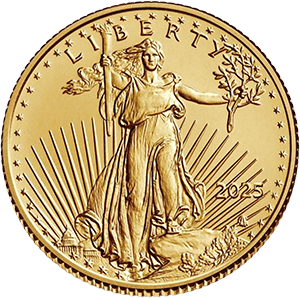
If you’re new to investing in precious metals, understanding gold terms is the first step toward buying smart. Whether you’re purchasing gold bars, silver coins, or diversifying your retirement portfolio, knowing how these terms affect price, purity, and authenticity helps you avoid overpaying and make confident choices.

This guide breaks down the most common terms used in gold and silver trading, from troy ounces and spot prices to premiums and fractional coins. Each explanation is written in plain language, giving you the clarity and confidence you need before you buy.

Why Knowing Gold Terms Matters

Buying gold or silver is about knowledge. Precious metals markets move fast, and the difference between a fair deal and an overpriced one often comes down to understanding the terminology dealers use.

Here’s why it matters:

  • Avoid Overpaying: Know what’s included in the premium and what’s based purely on spot price.

  • Spot Hidden Fees: Understand how minting and dealer markup affect the final cost.

  • Compare Investments Accurately: Recognize whether you’re paying for collectible value, metal content, or both.

  • Build Confidence: When you understand these gold and silver glossary terms, you’ll be able to ask sharper questions and make informed decisions.

Knowing the language of the gold market transforms you from a hesitant buyer into a confident investor, and that’s exactly what we aim to help you achieve.


Common Gold and Silver Terms

Below are the essential gold terms every investor should know before purchasing coins, bars, or bullion. Each definition includes real-world context so you can see how it applies when buying or selling.


What Is a Troy Ounce?

Precious metals are weighed using the troy ounce, a unit of measurement dating back to medieval trade markets in Troyes, France.

  • 1 troy ounce = 31.103 grams, slightly heavier than a regular (avoirdupois) ounce used for groceries and everyday goods.

  • Gold is typically measured in troy ounces and symbolized as XAU, while silver is XAG.

Example:
If gold is listed at $2,400 per troy ounce, that means one troy ounce (31.103 g) of pure gold (not one standard ounce) is worth $2,400 at that moment.

Unit

Equivalent in Grams

Common Use

1 Avoirdupois Ounce

28.35 g

Everyday items

1 Troy Ounce

31.10 g

Gold, Silver, Platinum, Palladium


What Is the Spot Price of Gold?

The spot price is the current market price for immediate delivery of gold or silver. In other words, what the metal is worth right now. It is like the “sticker price” on a car – the base value before additional costs.
It changes constantly based on global trading, currency strength, and investor demand.

Example:
If today’s spot price of gold is $2,380 per ounce, and you’re buying a 1-oz coin, that’s your baseline. The final price will include a premium on top of that.

Understanding Gold Premiums

When you buy gold or silver, you’ll almost always pay more than the spot price. That extra amount is called the premium, and knowing what it covers helps you avoid hidden markups.

What Is a Premium?

The premium is the total of all added costs that bring a coin or bar from a refinery to your hands. It includes:

  • Fabrication and minting costs

  • Distribution and insurance

  • Dealer markup and profit margin

Each step in the chain adds a small percentage until the final retail price.

Example:
If the spot price of gold is $2,400/oz and a 1-oz coin sells for $2,480, your premium is $80, or roughly 3.3%.

Premiums tend to be higher for coins from smaller mints, collectible or proof coins, and fractional weights.

Type of Gold Product

Typical Premium Range

Notes

1 oz Gold Bullion Coin

2%–6%

Best value for investors

Fractional Gold Coins

5%–12%

Smaller weights cost more per ounce

Proof/Collectible Coins

10%–25%+

Based on rarity, not just gold content


Knowing your gold premiums ensures you pay for metal value and not unnecessary markups.

What Are Fractional Gold Coins?

Fractional gold coins are smaller versions of 1-oz coins, designed for investors who want flexibility or have a smaller budget.

Common Sizes

  • ½ oz, ¼ oz, and ¹⁄₁₀ oz coins are standard.

  • They contain the same purity (usually .999 or .9999 fine gold) as their 1-oz counterparts.

Why They Matter

  • Easier to trade or sell in smaller portions

  • Useful for bartering or preparedness investing

  • Slightly higher premiums per ounce due to production costs

Example:


A ¼-oz American Gold Eagle will often cost more than 25% of the price of a full 1-oz Eagle, because minting smaller coins requires more handling and dies.If you’re investing for long-term value, 1-oz coins or bars usually offer the best price per ounce. When building a more flexible or barter-ready collection, fractional coins can still be a smart addition.


Precious Metals Terminology

Beyond the main gold terms, here are several more you’ll frequently encounter in gold and silver investing:

Term

Definition

Bullion

Generic term for gold or silver in bulk form (bars or coins) valued by metal content, not rarity.

Assay

Certification verifying the metal’s purity and weight, often stamped or sealed with the product.

Purity / Fineness

Expressed as a decimal (e.g., .9999 fine gold = 99.99% pure metal).

Melt Value

The raw market value of a coin’s metal content is based on the current spot price.

Bid-Ask Spread

The difference between what a dealer will pay (bid) and what they’ll sell for (ask). Narrow spreads indicate a more liquid product.

Liquidity

How easily a coin or bar can be sold at or near its spot value. Highly recognized coins like the American Eagle or Canadian Maple Leaf are very liquid.

Numismatic Value

Additional worth from rarity, age, or historical significance — separate from metal content.

Knowing these extra terms helps you read price charts, understand dealer listings, and choose the right metals for your investment goals.


Gold Terms 

To make it easy to compare definitions, here’s a condensed glossary of essential gold terms you can refer to anytime you’re buying or selling precious metals.

Term

Meaning / Key Takeaway

Troy Ounce

A precious metals weight unit is equal to 31.103 grams, slightly heavier than a regular ounce.

Spot Price

The live market price for one troy ounce of gold or silver at the current moment.

Premium

The amount you pay above the spot price to cover minting, distribution, and dealer costs.

Fractional Coin

Any gold or silver coin smaller than 1 oz (½ oz, ¼ oz, ¹⁄₁₀ oz); carries higher premiums per ounce.

Bullion

Gold or silver in bar or coin form is valued for its metal content rather than rarity.

Assay

An official test verifying purity and weight — often sealed with the bar or coin.

Purity / Fineness

The metal’s composition, such as .999 fine gold (99.9 % pure).

Melt Value

What is the metal alone worth if melted down at current spot prices?

Bid-Ask Spread

The gap between a dealer’s buy (bid) and sell (ask) prices; smaller spreads mean better liquidity.

Numismatic Value

Extra worth from rarity or collectibility, separate from the gold itself.

Bookmark this gold and silver glossary whenever you compare products or check live prices on trusted sites like Kitco or the London Bullion Market Association.


Invest with Knowledge, Not Guesswork

Learning key gold terms turns investing from a gamble into a strategy. Once you understand how spot prices, premiums, and purity work together, you’ll instantly recognize whether a quote is fair and whether a product fits your goals.

Whether you’re buying your first gold coin or building a long-term portfolio, remember:

  • Always compare spot price + premium before purchasing.

  • Stick to reputable dealers with transparent pricing and verified assays.

  • Choose coin sizes and types that align with your investment purpose (growth, liquidity, or collection).

By understanding the language of gold, you protect your wealth, avoid overpriced products, and buy with confidence. Talk with a specialist to start your precious-metals portfolio today.