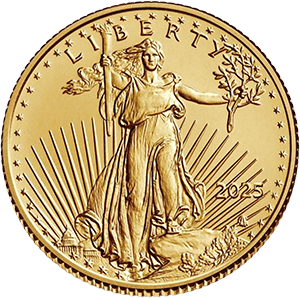
When you study how to tell if a gold coin is real or fake, you give yourself a clear way to check any piece you buy or already own. Real coins follow strict weight, size, and design standards, so you can confirm most details at home with basic tools. A few quick tests (plus a careful look at the seller) help you spot problems early and know when to ask a professional for help.
This guide walks you through home tests for gold authenticity, deeper checks like a gold coin weight test and density test for gold, and the safest ways to buy, so you do not need to worry about counterfeits later.
Tell if Gold Coin is Real or Fake With This Checklist
You will learn each test in detail in the sections below, but this is the fast pass:
- Check the weight on a digital scale.
- Measure diameter and thickness.
- Try a magnet test for gold.
- Listen with a gold coin ping test.
- Inspect the surface and edges with good light or a loupe.
- Compare the coin to official photos and mint specs.
Look at the seller’s history, pricing, and return policy.
If several points on this list feel wrong, treat the coin as suspicious until you finish more formal tests.
The Most Reliable Ways to Test if a Gold Coin Is Real
You have many ways to test a coin. Some are simple and safe, some are more advanced, and a few can damage the metal if you use them the wrong way. The goal is to build a process where you start with non-destructive checks, then move to deeper tests only when needed. That is how you verify gold authenticity without damaging it and still get a clear answer.
Below you will see the main methods that serious buyers use at home or in a small office. You do not need to use every test on every coin. Pick the ones that make sense for you in the moment, based on value, risk, and your tools.
1. Gold Coin Weight Test
The gold coin weight test is one of the strongest non-destructive checks you can use. Major mints publish exact weights for each series. Counterfeit coins often miss these numbers by just enough to raise suspicion.
Place the coin on a digital scale that reads to at least 2 decimal places. Compare the result with the official specs for that coin. Even small deviations can matter. A genuine one-ounce bullion coin that weighs several tenths of a gram too light or too heavy deserves more attention.
If you ask yourself, “Is my gold coin real?” and the weight is far from the stated value, treat that as a serious warning. Combine this result with size and density checks, since skilled counterfeiters can adjust weight alone while still missing other properties of real gold.
2. Measure Diameter and Thickness
Weight alone does not close the case. You also need to see if the coin’s size matches the mint’s record. Measuring diameter and thickness with a caliper gives you a clearer picture of how to spot fake gold coins in your own hands.
Real gold coins leave the mint with very tight tolerances. If a coin has the correct weight but feels thicker or wider than it should, that can show a different metal inside. Counterfeiters struggle to match weight, size, and metal composition at the same time, so this check catches many fakes that pass a basic scale test.
Write down your measurements and compare them to official numbers from trusted mint sources or a dealer you trust. When both weight and size line up, your confidence increases. When one fails, move to further testing.
3. Magnet Test for Gold
The magnet test for gold is quick, cheap, and easy. Pure gold does not react to magnets. If a coin jumps to a magnet or slides with a strong pull, you know it contains ferromagnetic metals and does not match bullion standards.
Hold a strong magnet near the coin and see how it behaves. If the coin sticks firmly, you can stop there and treat it as fake or at least as a coin with a different metal mixture than stated. If nothing happens, that does not prove the coin is real. Some counterfeiters use non-magnetic alloys, so you treat this test as one data point, not a final verdict.
Use the magnet together with your weight, size, and sound checks. That combined picture helps you answer how to test gold coin authenticity in a more confident way than any single trick on its own.
4. Gold Coin Ping Test (Sound Test)
The gold coin ping test uses sound to tell you about the metal content. Real gold and silver coins ring with a clear, high tone when tapped. Fakes made from cheaper alloys often sound dull or die out quickly.
Balance the coin on a finger and gently tap it with another coin or a small metal rod. Listen to the tone and how long it lasts. If you have a confirmed genuine coin of the same type, compare both sounds side by side. Some people also use mobile apps that analyze the tone of the ping, although you should still combine that with other tests.
Sound alone does not settle every case, especially with worn or heavily handled coins. Still, this method gives you a fast extra signal and works well as part of a simple home test for gold authenticity.
5. Tilt and Light Test
Gold has a unique luster that looks different from brass, bronze, and other yellow metals. Training your eye to see this makes your testing faster, because you start to notice problems before you even pull out a scale.
Hold the coin under a strong light and tilt it slowly. Real gold reflects light in a soft, rich way, while many fake coins look flat, overly shiny, or slightly gray. Look for any patchy color or spots where plating seems thinner. You can also check fine details like hair strands, lettering, and rim design to see if they hold a crisp shape or blur together.
This test works best when you have a known genuine coin to compare, or when you spend time with trusted bullion so your brain learns what real surfaces look like. Over time, you will sense that something feels “off” even before you know exactly why.
6. Density Test for Gold (Specific Gravity)
A density test for gold gives you a strong scientific check using very simple tools. Gold has a specific gravity of around 19.3. Most base metals used in counterfeit coins sit far below that value, so you can catch them by measuring both weight and displaced water.
Here is a basic method you can use at home:
- Weigh the dry coin on a digital scale and record the weight.
- Fill a small container with water and place it on the scale. Reset the scale to zero.
- Tie a thin thread around the coin and slowly lower it into the water so it hangs fully submerged without touching the bottom or sides.
- Note the new reading. This number shows the weight of the water displaced by the coin.
- Divide the original dry weight by the displaced water weight.
If the result sits close to gold’s expected value for the purity in question, you gain confidence. If the number is far off, that supports the case that the coin uses a different alloy or a hidden core. This method helps answer how to check gold purity at home, at least at a basic level, without scratching or cutting into the metal.
7. Visual Inspection With a Loupe
A loupe or simple magnifier helps you move from a basic glance to a more serious inspection. Counterfeit coins often fail in small details that your eye cannot catch without magnification.
Look closely at:
- The sharpness of lettering.
- The edges and any reeding on the rim.
- Tiny design elements such as feathers, hair, or shield lines.
- Small pits, bubbles, or casting seams.
Real coins from major mints show clean, consistent detail from edge to edge. Cast fakes often show soft areas, tiny holes, or a faint line around the side where the mold met. Struck counterfeits can be more convincing but still miss fine design points once you compare them to official photos or a confirmed genuine piece.
This close look ties into how to spot fake gold coins on your own without specialized machines. It takes practice, yet each coin you study teaches you more.
8. Ice Test
Gold conducts heat very well. When you place an ice cube on a real gold coin, the ice starts to melt quickly because heat moves from the coin into the ice. Many base metals run cooler and do not move heat at the same rate.
Place the coin flat and set a small piece of ice on top. Watch how fast it melts compared to the same amount of ice on a non-precious metal coin. If the melt rate is slow and nothing in your other tests looks right, you have another reason to doubt the coin.
Do not use this as your only test, since room temperature, ice size, and surface conditions can affect what you see. Treat it as one more supporting sign inside your wider process.
9. Acid Testing and Why You Should Be Careful
Acid testing can tell you a lot about purity. It can also damage the coin if you do not know what you are doing. That is why many serious investors ask how to verify gold authenticity without damaging it before they even consider acid.
Nitric acid and test kits use a reaction between the solution and the metal. Real gold resists the acid, while base metals or lower karat alloys react, discolor, or dissolve. The problem is simple. To run this test, you usually need to scratch the coin on a stone or apply acid to a small area on the surface. This creates a mark that buyers will see later.
For bullion coins with high value as investment metal, you treat acid as a tool of last resort. Use it only when you accept that you might treat the coin as scrap afterwards, or when a professional uses controlled methods in a shop setting. Your safer path is to rely on the non-destructive tests above and seek expert devices or services when you still feel unsure.
Common Gold Coin Specifications
Use this as a quick reference when you run a gold coin weight test and size check. Numbers are approximate and can vary slightly depending on year and design, so always confirm with an up-to-date spec sheet from a trusted mint or dealer for large purchases.
|
Coin |
Stated Weight (g) |
Diameter (mm) |
Approx. Thickness (mm) |
Purity |
|
33.93 |
32.7 |
2.87 |
22 karat |
|
|
31.10 |
32.7 |
2.95 |
24 karat |
|
|
Canadian Maple Leaf 1 oz |
31.10 |
30.0 |
2.8 |
24 karat |
|
Krugerrand 1 oz |
33.93 |
32.77 |
2.84 |
22 karat |
|
Britannia 1 oz |
31.10 |
32.69 |
2.8 |
24 karat |
Common Types of Counterfeit Gold Coins
Counterfeiters use several methods to copy the look and weight of real bullion. Some fakes are easy to spot. Others take more careful testing. Knowing the main types helps you understand what you might be looking at.
1. Plated Coins
These coins use a base metal core (often brass, copper, or steel) covered with a thin layer of gold. They usually pass a glance because the color looks right, but weight, size, and density checks expose them fast.
2. Cast Counterfeits
Cast fakes come from molds. They often have soft details, small bubbles, and visible casting seams. Even if they hit the right weight using cheaper metal blends, the design never matches a real minted strike.
3. Struck Counterfeits
These are made using dies that mimic real mint designs. They show sharper details than cast fakes and can fool beginners. Size measurements, sound checks, or density tests usually reveal the difference.
4. Tungsten-Filled Fakes
These are the hardest to detect with the naked eye. Tungsten has a density close to gold, so counterfeiters use it inside a gold layer to imitate the proper weight. These fakes require careful measurements, sound checks, and often professional tools.
Key Indicators of Counterfeit Coins
Once you know the common types, you can look for the signs most fakes share. These early clues help you decide which coins deserve deeper testing.
1. Incorrect Weight or Size
Even small deviations can signal a problem. Real bullion sticks to strict mint specifications.
2. Weak, Blurry, or Inconsistent Details
Look at hair, lettering, feathers, or shield lines. Fakes often lose sharpness or show uneven edges.
3. Color That Looks Off
Gold-plated coins can look too bright, too dull, or slightly gray. Pure gold has a consistent tone.
4. Strange Edges or Rim Issues
Gaps, flattening, uneven reeding, or seams show casting or poor striking.
5. No Hallmark or Incorrect Markings
Any purity stamp, year, or mint mark that differs from the official design is a major red flag.
What Real Gold Coins Should Look Like
Beyond tests and tools, you also need a mental picture of what genuine coins from major mints look like. A coin that matches official weight, size, design, and behavior across several checks rarely turns out fake.
Real bullion coins use consistent fonts, sharp artwork, and even spacing between elements. The rim and any reeded edge follow a regular pattern with no flat spots or gaps. The color fits the alloy declared on the coin. A 24 karat coin carries a deeper, richer yellow, while a 22 karat coin with copper shows a slightly warmer tone.
Fake Gold Coin Red Flags You Should Never Ignore
You do not always need a test kit to sense danger. Many fake coin deals show warning signs long before you touch the metal. Learning these patterns helps you avoid bad offers in the first place.
Common red flags include:
- Prices are far below the current gold value without a clear reason.
- Sellers who refuse to give close-up photos of edges and details.
- Listings that only show stock images instead of real photos of the coin.
- No clear return policy or contact information.
- Sellers who push for fast payment or only accept risky methods.
Scammers rely on buyers who rush and skip simple checks. When you keep calm, compare prices, and ask for proof of authenticity, you already move yourself into a safer group of buyers.
When You Should Get Professional Verification
Sometimes the value of a coin or the level of doubt makes home testing feel too small. In those moments, it makes sense to involve professional tools and trained eyes. This is especially true for rare numismatic pieces, high-value classic coins, or large purchases where a mistake would hurt.
Professional options can include:
- X-ray fluorescence (XRF) machines that read metal composition through the surface.
- Devices such as resistivity meters that check how metal conducts electricity.
- Grading services that authenticate, grade, and encapsulate coins in tamper-proof holders.
Final Thoughts
The tests in this guide keep the process simple. Start with weight, size, and basic visual checks. Add sound, density, and other safe methods when something feels off. Most counterfeits fail long before advanced tools enter the picture. Careful buying habits matter just as much as testing, and staying alert to price and seller red flags prevents most problems before they start.
If you want guidance on authentic coins, speak with a precious metals advisor at American Standard Gold. Our team works with clients who want clarity on bullion, rare coins, IRA options, or long-term diversification.