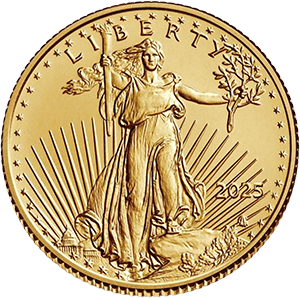
The future of gold looks increasingly digital, demand-driven, and globally strategic. In 2025, gold prices surged to record highs as investors sought safe-haven stability amid inflation fears, policy shifts, and geopolitical tension. Analysts expect that the future of gold prices will depend on how fast central banks cut rates, how digital gold evolves, and whether investor sentiment remains defensive.
Key Takeaways
-
Gold is in a new phase, not just a cyclical rally, but possibly a structural repositioning backed by central-bank demand and digital innovation.
-
The next 6 - 24 months will be shaped by three principal levers: real yields/policy, safe-haven flows/geo-risk, and structural demand (including digital).
-
Investors should adopt scenario-based thinking (Base vs Bull vs Bear) rather than rely on a single target price.
-
Exposure choices matter: physical vs ETF vs futures each have trade-offs. Know them.
-
Staying educated and alert to the signals (Fed, inflation, digital gold developments) will help you navigate this complex environment.
Where Gold Stands Today
In 2025, the yellow metal again captured investors’ attention. Spot and futures gold prices have surged to fresh highs, with data showing the price rising above $4,300/oz in some measures.
What’s driving the surge? Several key factors:
-
Expectations that the Federal Reserve will start cutting interest rates, reducing real yields, and making non-yielding assets like gold more attractive.
-
Ongoing geopolitical risks and safe-haven demand push capital toward assets uncorrelated with equities.
-
Major central-bank purchasing and diversification away from traditional reserve assets, adding structural support.
-
The beginnings of a transformation in how gold may be accessed and utilised, including digital innovation.
Gold is no longer just a “hedge” in the traditional sense; it is increasingly a strategic asset in portfolios, and its future is being reshaped.
Primary Drivers of Our Recent Growth
Interest Rates, the U.S. Dollar, and Real Yields
Gold’s performance is closely tied to interest rates, the US Dollar (USD), and real yields (interest rates minus inflation). When real yields fall (or turn negative), gold tends to perform better, because the opportunity cost of holding gold declines.
Going into 2026, markets are pricing in meaningful Fed easing, with a more than 60% probability of sizable cuts.
Safe-Haven Flows and Macroeconomic Risk Factors
Gold often rallies when uncertainty rises from geopolitics, macro shocks, or financial stress. Recent data indicate that geopolitical and policy risks are underpinning gold’s premium.
Official Sector & Demand Dynamics
Central banks remain steady buyers of gold, signalling diversification away from fiat currencies and adding structural underpinning for gold demand. This isn’t a short-term trade; it’s a long-term shift in reserve behaviour.
Digital & Structural Evolution
Looking further ahead, institutions like the World Gold Council see gold’s future evolving beyond bars and physical storage. Their report outlines how gold might become tokenised, digitally traded, and embedded in the financial ecosystem, which could open new forms of demand and liquidity.
Key themes include: instant settlement, global digital units (Standard Gold Unit), and integrating gold into digital finance and DeFi infrastructure.
What Comes Next: 6-24-Month Assumptions
We outline three plausible scenarios (Base, Bull, and Bear) with drivers to watch. These are not forecasts, but frameworks to help investors think about what may happen and how to respond.
1. Base Case
Assumptions:
-
Fed begins moderate cuts in 2026, and real yields gradually decline.
-
Geopolitical risk remains elevated but stable (no systemic shock).
-
Central-bank demand holds steady; ETFs continue moderate inflows.
-
Gold trades within a new elevated range.
Projection:
Gold consolidates above its previous high range; perhaps trading in the $3,800 – $4,500/oz band (depending on USD & real yields).
Signals to watch: CPI/PCE inflation prints trending downward; Fed dot-plot showing two or more rate cuts; ETF net inflows return; central-bank reserve updates.
2. Bull Case
Assumptions:
-
Faster-than-expected Fed cuts (or surprise quantitative easing).
-
Renewed spike in geopolitical or financial stress (e.g., sovereign debt crisis).
-
Digital gold adoption accelerates, drawing new types of demand.
Projection:
Gold breaks past $4,500/oz, potentially approaching $5,000+ as macro and structural factors align. Some long-term models see the future of gold prices surpassing this level before 2030.
Signals: Sudden real-yield collapse; large ETF creation; announcements of major digital gold platforms; major central-bank surprise purchases.
3. Bear Case
Assumptions:
-
Inflation remains sticky, real yields stay elevated (dampening gold’s appeal).
-
Dollar strengthens, Fed delays cuts.
-
Jewellery/retail demand disappoints, or recycling/supply increases.
-
Digital gold adoption stalls or becomes a distraction.
Projection:
Gold falls toward its pre-run support levels, perhaps in the $3,200 – $3,600/oz zone or lower. Structural demand remains, but the momentum fades.
Signals: Strong US labour/inflation prints; Fed signals hawkish stance; sustained ETF outflows or net negative flows.
How to Invest: Pros, Cons & Considerations
Whether you’re building a long-term hedge or trading short-term movements, the future of gold investing offers several ways to participate. Here’s how the main options compare, including the increasingly popular Gold IRA, now viewed as one of the most secure retirement vehicles for tangible wealth preservation.
|
Vehicle |
Pros |
Cons |
|
Physical (Bars & Coins) |
Zero counterparty risk; direct ownership; tangible value. |
Higher premiums, storage & insurance costs; less liquidity than ETFs/futures. |
|
ETFs / Gold Funds |
Easy to trade; highly liquid; lower entry threshold. |
Management fees; potential custodian risks; not always fully backed by physical gold. |
|
Futures / Derivatives |
Leverage potential; high liquidity; good for tactical exposure. |
Mark-to-market risk, margin calls, and more complex delivery mechanics may be irrelevant for long-term buyers. |
|
Gold IRA (Self-Directed Retirement Account) |
Allows investors to hold physical gold in a tax-advantaged retirement account, protecting savings from inflation and currency volatility while maintaining long-term growth potential. |
Requires setup through an IRS-approved custodian and vault; annual fees apply; limited short-term liquidity. |
Things to Watch Out For
-
Premiums vs. spot: Ensure you’re getting fair value when buying physical gold.
-
Storage & insurance: Physical assets require safe storage and cost.
-
Seller credibility: Work with reputable dealers (such as AmericanGoldStandard) to avoid counterparty or authenticity risk.
-
Portfolio allocation: Gold’s role is often as a diversifier, as many investors allocate 5-10% of portfolio value to gold (not a speculative majority).
-
Timing discipline: Markets may correct; having a plan (and patience) is key.
-
Tax & jurisdictional matters: Know the rules in your state or county.
-
Signals changing fast: For example, if real yields unexpectedly spike, gold can pull back quickly.
Monthly Signals to Track
-
Fed & Central Bank Meetings: Dot plots, policy statements, quantitative easing signals.
-
Inflation Data: CPI, PCE, real-yield movements.
-
Dollar Index (DXY): A strengthening USD often pressures gold.
-
ETF Flows & Holdings Data: Are funds buying/selling?
-
Central-Bank Reserve Announcements: Large purchases show structural demand.
-
Digital Gold/Tokenisation Developments: New platforms, regulatory changes, or tokenisation announcements.
-
Geopolitical & Macro Risk Events: Wars, sovereign debt stress, banking system instability.
Sum Up
The future of gold is still unfolding. Whether prices stabilize, surge, or retrace, the market’s drivers have clearly shifted from short-term speculation to long-term structural change. Rate cycles, digital innovation, and consistent central-bank demand now define gold’s direction. For investors, that means focusing less on predicting short bursts and more on understanding how gold fits into a changing global economy.
FAQs on Future of Gold
Is gold still a good inflation hedge?
Yes, but its effectiveness depends on relative real yields and policy context. High inflation paired with rising real yields may dampen gold’s relative return.
Why is gold hitting new highs even though rate cuts haven’t fully arrived?
Because markets are pricing in future cuts, not just current policy. The anticipation reduces real yields ahead of cuts, and safe-haven flows respond early.
Should I buy physical gold, an ETF, or futures?
It depends on your goals. For long-term holdings with minimal counterparty risk, physical is ideal. For liquidity or trading ease, ETFs/futures work, but understand the mechanics and risks.
What could push gold down from here?
Strong inflation that forces higher rates/real yields, major dollar strength, waning safe-haven demand, disappointing jewellery/industrial demand, or regulatory setbacks in digital gold adoption.